
Derby d’Italia Preview: How to Read the Form Guide and Predicted Lineups Before You Watch
Let’s start with three things that matter more than the headline names:
- Form is directional, not absolute. A five-match streak tells you where a team is trending, but it won’t tell you how they will handle a one-off derby.
- Predicted lineups are educated guesses. The official team sheet arrives roughly an hour before kick-off, and injuries reported in the media can change the picture.
- Derby intensity compresses tactics. Even a team that presses high every week will adjust for the emotional and physical stakes of this fixture.
This guide walks you through the steps: what to check in the form guide, how to weigh predicted lineups, and where casual fans get it wrong.
Scenario: You Have 20 Minutes Before Kick-Off
Imagine this: it’s a Sunday evening, you open your app, and the screen shows the previous five results for both teams. The numbers look familiar — a few wins, a draw, a loss. But you can’t tell which away win was a fluke or which home loss came from a rotated squad.
The right way to use those minutes is to filter the data, not just read it. Here is a sequence that works from one matchday to the next:
- Separate competition contexts. A Serie A win against a relegation-threatened side tells you less than a Champions League away performance against a rival.
- Check the rest days. If one team played midweek and the other didn’t, fatigue is a legitimate factor in the second half.
- Look for patterns in the last 30 minutes. Teams that concede late tend to lose control in high-pressure games.
- Compare the expected battle ground. If Team A scores most goals from crosses and Team B concedes most goals from crosses, that single matchup can decide the result.
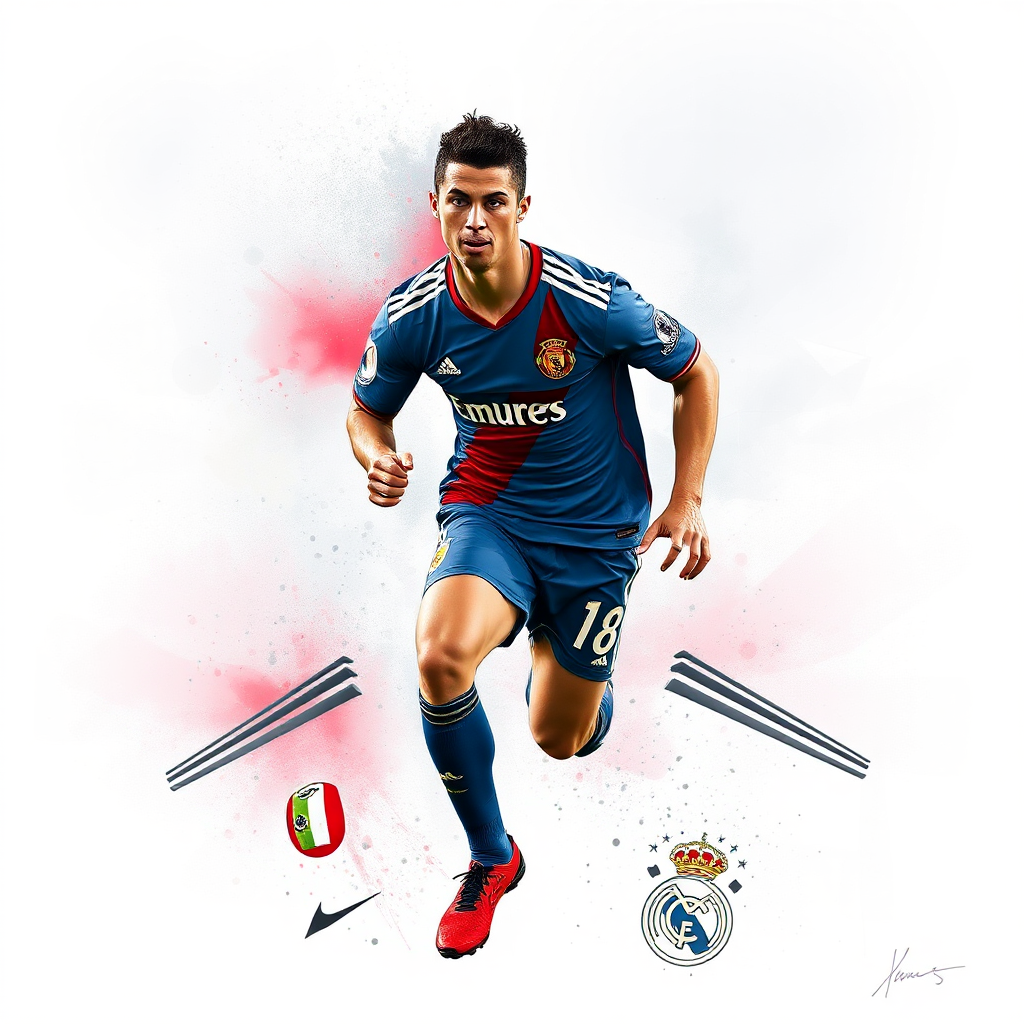
 Hình minh hoạ: OKWINTV
How to Read the Form Guide: A Practical Example
Take two hypothetical sets of recent results. Team X has four wins and one loss, but three of those wins came at home against sides in the bottom half. Team Y has two wins, two draws and one loss, but that loss was a narrow away defeat to a title contender.
The win percentage favors Team X, but the opponent-adjusted picture favors Team Y. That gap is where most casual previews go wrong.
Use a simple table to organize it:
| Factor | What to check | Why it matters |
|---|---|---|
| Opponent level | League position of each opponent in the last 5 games | Beating a mid-table side at home is not the same as beating a top-four side away |
| Goals conceded timeline | Which minutes the goals were conceded | Late collapses signal mental fragility under pressure |
| Set-piece exposure | Goals conceded from set plays in recent matches | Derbies often come down to one corner or free kick |
Predicted Lineups: What You Should Trust and What You Should Question
Predicted lineups are not official. They come from journalists who track training sessions, press conferences and minor injuries. They are useful, but they fail in three common ways:
- Talented players are sometimes listed as starters when they are only half-fit. A player named in the predicted XI can still drop out at the official team sheet.
- Coaches often rotate for the derby in unexpected ways. The emotional context changes the decision, so a regular substitute may start.
- Formation labels in the preview can be misleading. A 3-5-2 can look like a 4-3-3 depending on the full-back roles.
The safest approach is to wait for the official lineup announcement, which typically lands around 60-75 minutes before kick-off on most broadcast services. Use the predicted lineup as a checklist of names to watch, not as a final verdict.
If you want a single source that tracks the build-up, live news and official confirmations, further reference: OKWINTV aggregates the matchday updates in one place.

Three Mistakes to Avoid When Studying the Derby d’Italia
- Ignoring the midfielder matchup. In a derby, the game is usually decided in the middle third. Check which midfielders are better at recovering the ball and which ones give away fouls in dangerous areas.
- Overrating the home advantage. Derby attendances are intense, but they also add pressure. Some squads perform better with a quieter crowd.
- Believing first-half form predicts second-half performance. A team that starts strong but fades physically will struggle in the final half hour, especially in a derby tempo.

How to Apply the Prediction to Your Viewing
You don’t need a perfect forecast. You need a method. Before kick-off, pick one battle you want to watch: the left-back against the right winger, the holding midfielder against the number ten, or the goalkeeper’s distribution against the press. Then watch the first 15 minutes and check what the form guide suggested.
If you can explain after the match why the favorite lost or the underdog competed, you have moved from following a preview to understanding one.
Action Checklist Before Kick-Off
- Compare the last five results with opponent strength in mind.
- Note which team had less rest between matches.
- Check late-game goals conceded in the last month.
- Wait for the official lineup, not the predicted one.
- Pick one key tactical duel to follow for the first 15 minutes.
- Keep your expectations flexible: next season’s fixture will produce a completely different form guide.
Derby d’Italia previews are only as useful as your ability to filter them. Use the form guide for direction, use the predicted lineups for names, but use your own observation for the outcome. You can find more details at https://okwintv.us.org/.