
The first months of Bayern Munich under Vincent Kompany’s management have produced a recurring debate among fans: is this brave attacking football or reckless risk-taking? Watching the full match broadcasts rather than highlights reveals something more interesting than the usual take. The tactical evolution is not a single stylistic choice, but a chain of decisions that forces every player into a narrower, more demanding role.
Three findings stand out before any deeper analysis. First, the defensive line now sits visibly higher than under the previous staff, and this shift transforms everything from build-up play to recovery running. Second, full-back positioning has become the true tactical battleground, with one full-back regularly stepping into midfield while the other stays wide to provide width. Third, and most relevant for player evaluation, the new system rewards a very specific physical and technical profile — while making other talented players look worse than they are.
This article works through that tactical evolution from the perspective of someone who watches the games closely, using the match streams and replays tracked by CAKHIATV as the viewing base. The point is not to praise or bury the new direction, but to map out who fits, who does not, and why the old measuring sticks for Bayern players have stopped working.
Before judging individual performances, it helps to understand the architectural logic. Kompany’s Bayern is built around vertical possession with a deliberately stretched field. This is not the patient, sideways domination of previous years, but a compact front-to-back shape that tries to win the ball high or immediately after losing it.
- Center-backs split very wide during build-up, occasionally pushing one central midfielder between them to create a three-versus-two against the opponent’s first pressing line.
- The full-back on the ball side inverts into a central midfield slot, while the opposite full-back pushes forward to become an auxiliary winger.
- The attacking midfielder drifts into the half-space between the opponent’s midfield and defensive lines, while the striker drops occasionally to drag central defenders out of position.
These movements are not new in European football, but the ruthlessness with which they are applied is the difference. There is no halfway mode: when the ball is lost, the immediate reaction is a coordinated five-man counter-press. When the opponent bypasses the first line, the covering defenders must sprint forty or fifty meters to recover. Players who cannot do those two things repeatedly will be exposed, regardless of how clean their passing numbers look in a static system.
Scoring Criteria for Tactical Fit
Since the tactical requirements are very specific, a simple scoring framework helps compare players in the same shirt. Weights below are a viewer’s guideline for match observation, not an official club metric. The value of the framework is not the exact numbers, but the kind of behaviour it forces the eye to notice.
| Criterion | What to Look For in the Match | Why the System Needs It |
|---|---|---|
| Counter-pressing trigger (25%) | The player’s first movement right after losing the ball in the final third | Immediate pursuit prevents the opponent from exploiting the space behind the high line. |
| Coverage speed (20%) | Recovery sprints into the half-space behind the advanced full-back | Vertical passes in behind are the most common way opponents break this shape. |
| Composure under pressure (20%) | First touch, scanning, and decision-making when the opponent pounces immediately | Structured pressing gives the ball carrier almost no time to look up. |
| Positional discipline (20%) | Consistent occupation of the assigned lane or half-space during build-up | Straying from the slot clogs passing lanes and breaks the intended triangle patterns. |
| Defensive contribution from attackers (15%) | Wingers and strikers dropping into the pressing lanes during opponent build-up | The front line is the first shield; a forward who stands still leaves the team playing with ten. |
What this framework does not capture is creativity on the ball, finishing instinct, or set-piece quality — not because these do not matter, but because they are secondary to survival in the new structure. A Bayern attacker can miss a chance and still be praised if he pressed relentlessly afterwards. A midfielder can complete ninety percent of his passes and still be criticised for hiding between the opponent’s lines instead of demanding the ball.
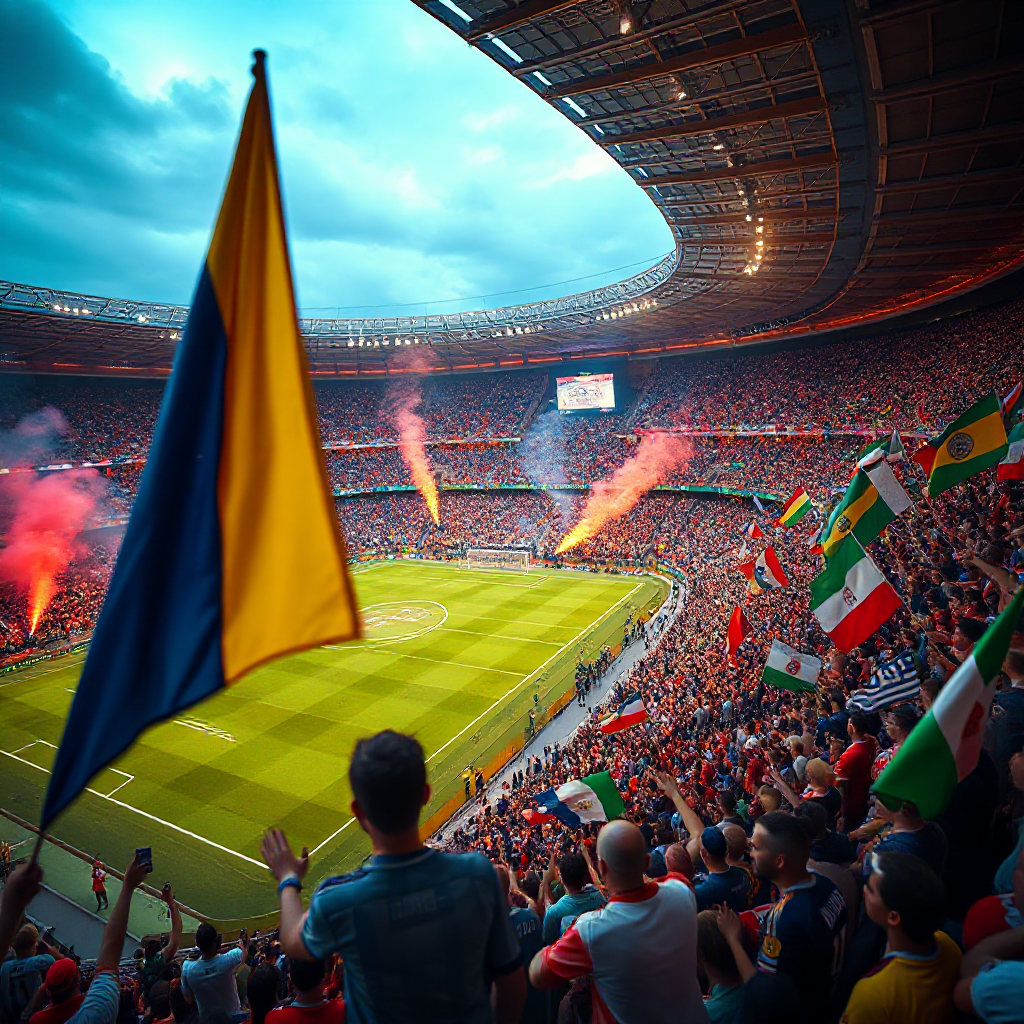
 Hình minh hoạ: CAKHIATV
Criterion by Criterion: Who Fits and Who Does Not
Counter-Pressing Trigger
The newest part of the squad has adapted fastest here. Wingers with a background in intensive pressing leagues show an immediate understanding of the trigger: the moment the pass goes astray, three players close in a triangular shape around the ball. The striker sets the direction, and the nearest midfielder cuts off the backward lane. The result is a constant cycle of second balls in the opponent’s half.
Players who struggle are those who expect the team to reset into a medium block after losing the ball. That instinct, honed under many years of conservative tactics, is exactly wrong for this system. The viewer will spot these moments clearly: a player jogs back while his teammates run forward to press. That split-second of hesitation is the difference between a promising transition and a defensive scramble.
Coverage Speed
The high defensive line means that every long ball over the top becomes a race. Center-backs with genuine recovery pace — the type who can turn and sprint thirty meters in a straight line — are essential. Young, aggressive defenders tend to fit better than experienced, positionally strict ones, because the latter often wait for the ball to be played before moving, while the system demands pre-emptive sprinting into empty space.
The full-backs face an even harder task, since they must sprint forward to support the attack and then sprint back when the ball is lost. This excludes players who are technically superb but lack the engine for repeated end-to-end runs. In mid-season matches against compact, counter-attacking sides, this is where the system looks most fragile — not because the defenders are bad, but because the structure leaves them in one-versus-one races that no tactical tweak can fully eliminate.
Composure Under Pressure
Modern pressing rarely comes from the front line alone. Bayern’s build-up is designed to draw the opponent forward, then exploit the freed space with a first-time pass. This places a premium on players who can receive the ball on the half-turn while being pressed from two angles. Quick, short back-heels and flicks have become more visible, because they break the pressing structure without needing a full pivot.
By contrast, players who need two or three touches to organise their passing are a liability, even if their passing range is impressive. The system does not accommodate midfielders who stop the ball with the sole and stare at the opponent’s goal before deciding. Every extra touch is a chance for the press to arrive. In long Champions League nights, this is the difference between retaining the ball and surrendering repeated turnovers in dangerous areas.
Positional Discipline
The new structure looks chaotic when the opponent presses man-to-man, but it actually depends on strict lane discipline. The inverted full-back is told not to drift into the same zone as the attacking midfielder. The deep midfielder must not run into the space where the striker has dropped. These are invisible, unglamorous constraints, and they are the reason why some technically gifted players look lost: they instinctively drift toward the ball instead of holding their assigned slot.
Forcing that discipline is a coaching challenge. In the opening months, there were visible moments of confusion as players arrived at the same point and left another area empty. Regular viewers can see the development when those moments get rarer. The defenders who stay calm while the ball circulates around them, rather than chasing it, are the ones who truly absorb the tactical message.
Defensive Contribution From Attackers
The most controversial requirement is the workload demanded from the front four. Not only must the striker press the center-backs and the wingers press the full-backs, but the attacking midfielder must also take on defensive shifts in the second line. This is mentally and physically draining, and it visibly affects players at the end of a long season.
For this reason, the system favours attackers who see pressing as part of their identity. The sight of a striker chasing down a goalkeeper’s quick distribution is not optional in this setup, it is the first domino of the entire defensive scheme. Players who interpret their role as purely offensive are soon exposed, and their frustration is obvious when they are substituted without having had a single shooting chance. The system simply does not create enough chances for players who do not participate in winning the ball back.

Strengths and Limitations of the New Direction
The positive side is a quicker, more aggressive team that creates turnovers in advanced areas. When the counter-press works, the opponent barely leaves their own defensive third, and Bayern can play the entire match in the attacking half. This style has made many domestic fixtures one-sided, reducing the need for defensive organisation in most matches.
The obvious limitation is the vulnerability to a well-timed vertical pass. Any opponent with fast forwards and a reliable long passer can create one-on-one chances against a team that defends with such a high line. In knockout competitions, where a single error is heavily punished, this is a structural risk that no possession advantage can fully eliminate. There is also the physical cost: the sprinting demands are extreme, and squads without depth in recovery-capable defenders will suffer as the season progresses.
What the tactical debate misses is that this is not a moral choice between attacking freedom and defensive caution. It is a trade-off that changes the value of every player in the squad. The team that commits to this direction must be built accordingly, and the transfer window becomes a series of selections for specific physical and technical profiles.
Who Should Follow This Tactical Era Closely?
Not every viewer wants the same thing from Bayern evaluation, so here is a practical division of readership groups and what each should take from this analysis.
- Match analysts and tactical novices: The system is a clear case study in trade-offs. Watching the full matches, rather than highlights, is the only way to see the pressing triggers and the positional discipline. The scoring framework above works as a simple viewing guide.
- Football fans building their own player assessments: If you enjoy judging signings and transfers, this tactical shift means you must update your criteria. A player who looks brilliant in a low-block system may look terrible here, and vice versa. Do not rely on goals and assists alone; track pressing participation and recovery runs.
- Young footballers looking for a style model: The modern game increasingly demands all-round physical capacity. The players who thrive in this Bayern setup are excellent role models for how pressing intensity can elevate a career, even without elite level finishing or passing artistry.
- Casual Bayern fans: You will enjoy the matches aesthetically, but you should prepare mentally for the occasional high-scoring loss. The defensive fragility is not an accident; it is the cost of the entertainment.

A Pre-Match Checklist for Tracking the Evolution
To evaluate whether the tactics are progressing or regressing, use this short checklist during the next broadcast.
- During the first ten minutes, count how many times the team loses the ball and immediately wins it back inside the opponent’s half. A number above five indicates a functioning counter-press.
- Watch the full-backs: is one taking up an inverted midfield position while the other stays wide? Note whether they switch sides during the match.
- Observe the space between the center-backs and the goalkeeper during open play. If the line remains high against a fast forward, the system is committed, not accidental.
- After a turnover in the attacking third, look for the nearest player’s defensive response. If he jogs back while passing the responsibility to teammates, the system has a hole.
- Finally, note the substitution patterns: players who are substituted earlier than expected are often the ones struggling with the pressing demands, regardless of the official injury reasons.
These observations, tracked over several matches instead of one, give a much better read on the tactical evolution than any single scoreline.
Frequently Asked Questions
Is Bayern Munich’s tactical approach sustainable for the whole season?
It depends on the depth of the squad and the physical resilience of the first eleven. The style demands intense running in every match, so rotations become essential. A small squad with limited variation in player profiles faces a real risk of fatigue-related injuries as the season enters its final months.
Does the high defensive line work better in domestic or European matches?
Generally, domestic opponents are less equipped to hurt a high line because they see it less often. European matches, where the opponent has studied the patterns more deeply and has faster forwards, expose the space behind more frequently. The viewer should expect different performance levels in the two competitions.
Which positions are currently hardest to fill in this system?
Coverage-capable full-backs are the rarest profile. The player must combine attacking width, inverted positioning, and relentless recovery speed. Center-backs with true sprint pace are also essential, since they bear the final responsibility when the press is bypassed.
Where can I watch full match replays to track these tactical patterns?
Highlight packages routinely miss the pressing triggers and positioning details. Full match broadcasts and analysis streams are available through regular fan platforms, and the match coverage aggregated on FKTV-like sites remains a practical starting point for those who want to observe the whole game rather than the moments.
Recommendations by Reader Group
For the neutral tactician, the best way to engage with this Bayern side is to stop judging results and start judging repeated patterns. Pick one tactical variable each week — the counter-press, the full-back slot, the space behind the center-backs — and watch how it changes against different opponents. That is how the evolution becomes visible.
For the dedicated fan who grew up with the club’s earlier possession identity, the advice is to embrace the new definition of control. Control is no longer about having the ball for sixty-five percent of the match; it is about dictating the opponent’s reactions and pressing at the right moments. If that idea bothers you, the next few seasons may feel uncomfortable.
For the fantasy manager or the transfer speculator, the warning is to ignore shirt names and compare player profiles against the five criteria above. A technically elegant playmaker with no pressing discipline will not succeed in this system, and a relatively unknown workhorse may outperform him. The market value and the tactical fit are separate things, and the new Bayern is a bitter teacher of that lesson.
Finally, for the casual viewer who simply wants entertainment, stay patient in the first half of matches. The system often builds pressure gradually, drawing the opponent out before the turnover happens. If you only check the scoreline at full time, you will miss the clever part — the long chain of decisions that made the victory possible or the defeat avoidable. The latest updates are available at https://cakhiatv.futbol/.